A few years ago, the Western Flyer Foundation received federal appropriations secured through Congressman Panetta’s office to support the Western Flyer’s return to Monterey. Our return reflects a broader commitment: to deepen local student engagement, expand public access, strengthen research partnerships, and reconnect the vessel to the community where its story began.
Later this year, we will berth the Western Flyer part-time at Breakwater Cove and relocate our offices and classroom space to Heritage Harbor, establishing a stable, long-term base for education, research, and community programming. While Monterey will serve as our primary home port, we will continue our strong presence in Moss Landing, where longstanding partnerships support students across the northern part of the bay.
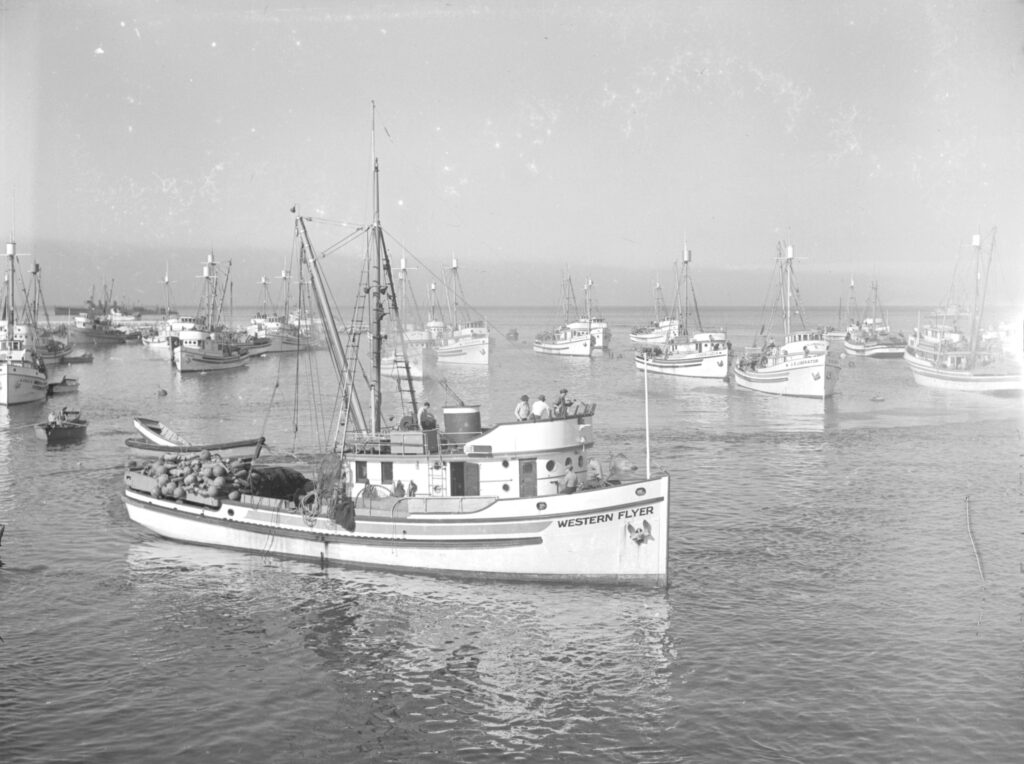
As relocation plans progressed, a portion of the federally designated HUD funds remained available for capital improvements aligned with these public goals.
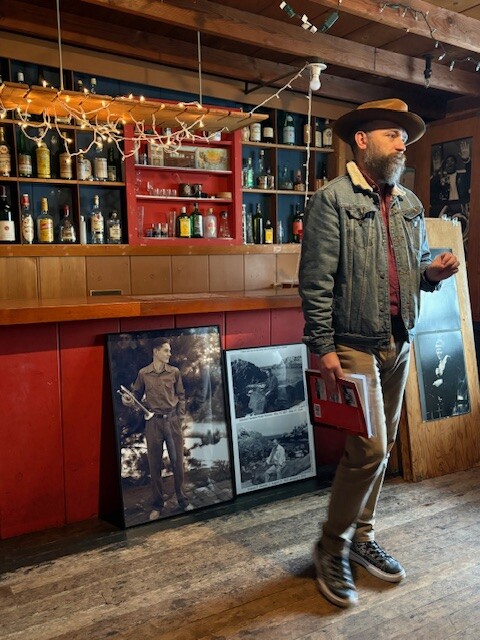
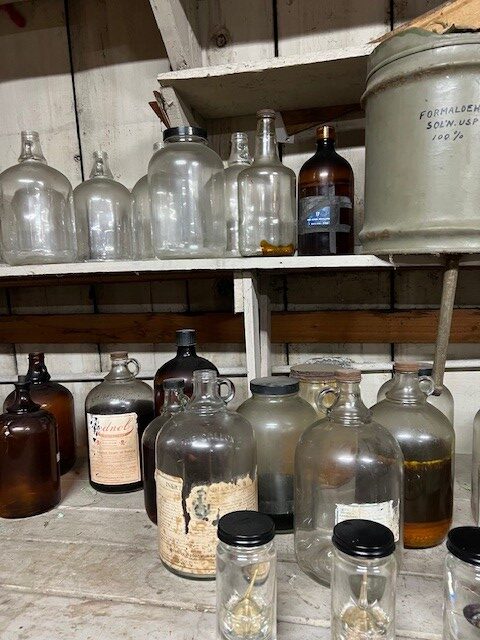
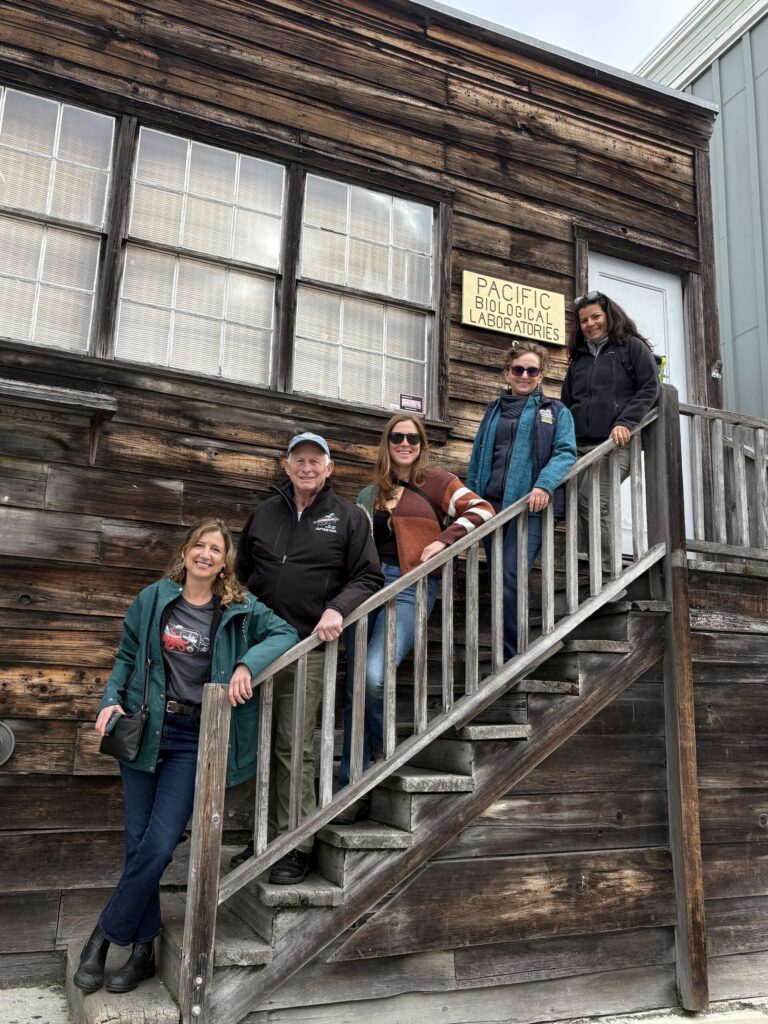
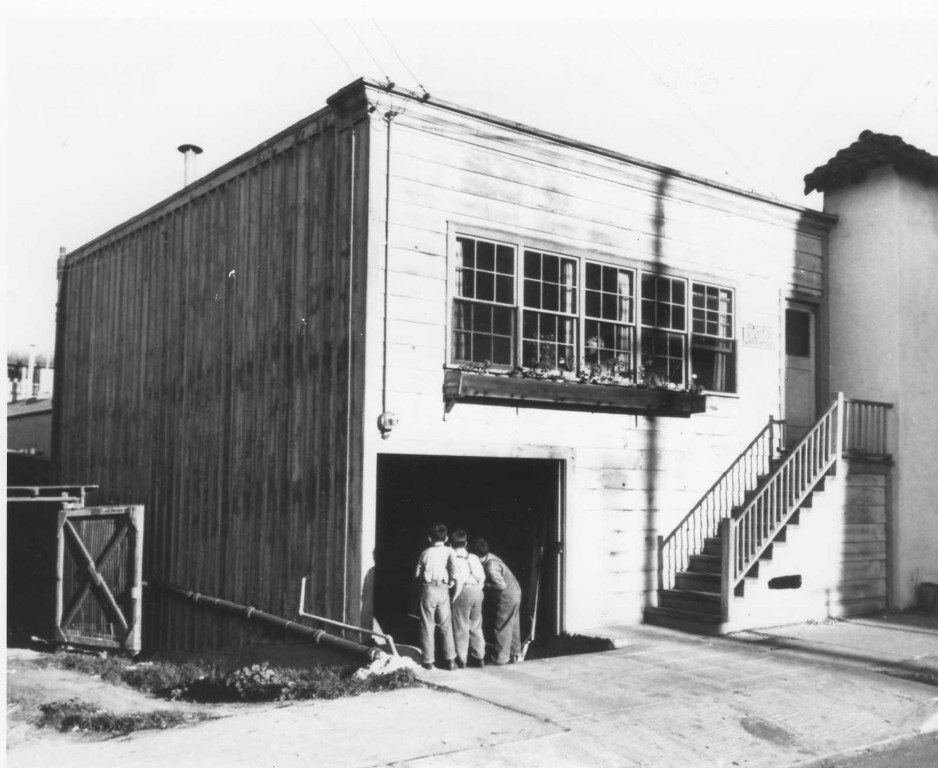
One such opportunity is Pacific Biological Laboratories on Cannery Row — the City-owned historic lab once owned by Ed Ricketts and the inspiration for “Doc’s lab” in Cannery Row by John Steinbeck. The lab embodies Monterey’s legacy of marine science, literature, and interdisciplinary thinking. Today, however, ADA limitations restrict access for many visitors.
In coordination with the City of Monterey, the Western Flyer Foundation has committed approximately $240,000 in previously secured federal relocation funds toward accessibility improvements at Pacific Biological Laboratories. This contribution is intended to support a broader, City-led renovation effort and to advance the shared goal of making the lab safely accessible to students, educators, and the public.
While this allocation does not represent full project funding, it reflects a meaningful investment toward ADA improvements that would allow the lab to be integrated into Western Flyer programming and reopened more fully to the community.
By directing federal funds toward accessibility, we are strengthening both student opportunity and public benefit — helping ensure that Monterey’s scientific and cultural heritage is not only preserved, but accessible to the next generation.