PRESS RELEASE
FOR IMMEDIATE RELEASE
June 23, 2026
Publicity Contacts (Western Flyer Foundation:
Community & Media Contact
Aracely Rojas
Community Project Manager
Baja California Sur, Mexico
aracely@westernflyer.org
+52 (612)169-4815
Scientific Contact
Rials Christiansen
Directory of Education & Science
California, United States
rials@westernflyer.org
1(831) 200-8260
Arturo Ramírez
Science Coordinator
Baja California Sur, Mexico
arturoramirez@westernflyer.org
+52 (646) 4000476
Historic vessel will host collaborative research addressing fisheries, biodiversity, ocean productivity, and climate resilience
MOSS LANDING, Calif. — The Western Flyer Foundation is proud to announce the selection of four innovative marine research projects that will take place aboard the historic Western Flyer during its 2027 expedition to the Gulf of California.
The selected projects, led by scientists from leading Mexican research institutions, represent a diverse range of studies focused on understanding and protecting one of the world’s most biologically rich marine ecosystems. Together, they will explore deep coral reefs, the foundation of the Gulf’s food web, community-based monitoring methods, and the oceanographic processes that drive marine productivity.
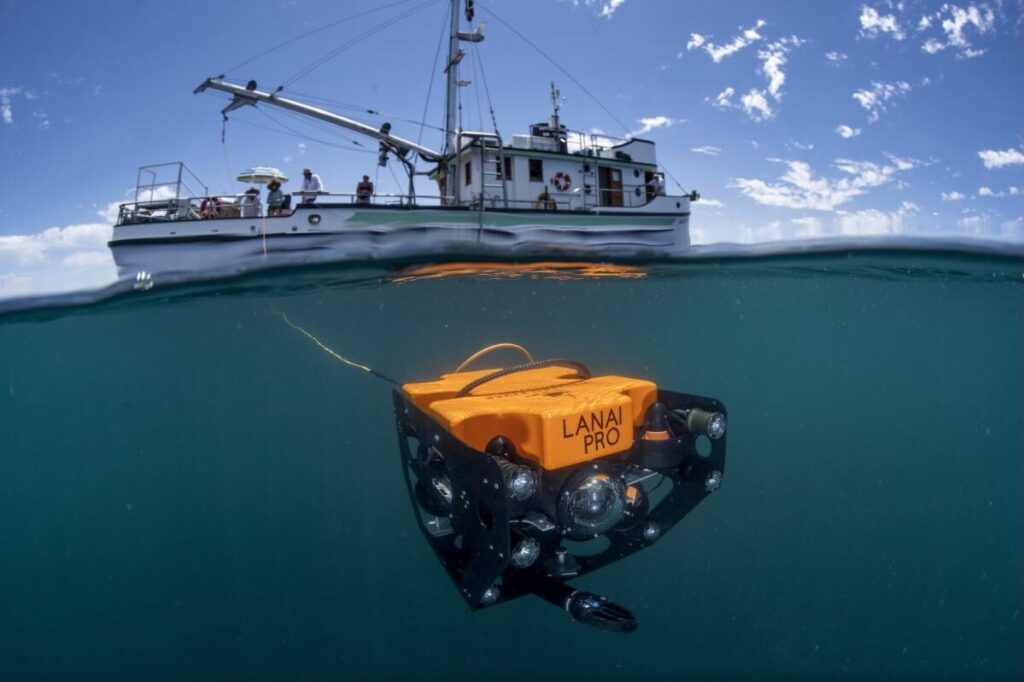
The expedition marks another chapter in the ongoing scientific legacy of the Western Flyer, the 77-foot sardine vessel that carried author John Steinbeck and marine biologist Ed Ricketts on their landmark 1940 expedition to the Gulf of California. Today, the restored vessel serves as a platform for modern marine research and education.
“The Gulf of California is one of the most biologically rich marine ecosystems on Earth, and the proposals we received reflected both the incredible scientific talent in the region and a strong commitment to serving local communities,” said Dr. Rials Christensen, Director of Education and Science at the Western Flyer Foundation and scientific lead for the 2027 expedition. “These projects bring together innovative science, traditional ecological knowledge, and community partnerships in ways that reflect the Western Flyer’s mission today.”
The four selected research projects are:
Ecological and Social Relevance of Mesophotic Reefs in the Southwestern Gulf of California
Principal Investigator: Dr. Héctor Reyes-Bonilla, Universidad Autónoma de Baja California Sur (UABCS) & CICESE
Mesophotic reefs—deep reef ecosystems found between approximately 30 and 150 meters where very little sunlight penetrates—remain among the least understood habitats in the Gulf of California. Using remotely operated vehicle surveys and oceanographic measurements, Dr. Reyes-Bonilla’s team will investigate how these reefs support marine biodiversity, fisheries, and climate resilience.
Oceanographic Drivers of Biological Productivity in La Paz Bay
Principal Investigator: Dr. Armando Trasviña Castro, CICESE–La Paz (CICESE–UALP) & CICIMAR-IPN
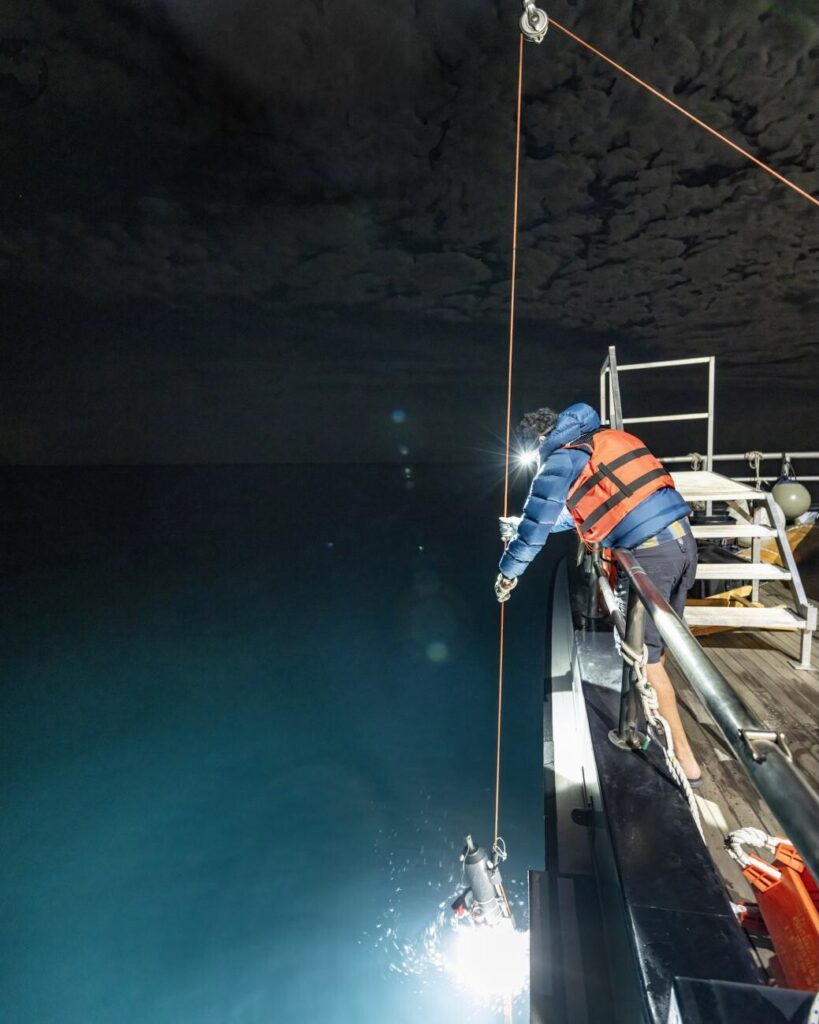
This interdisciplinary research team will investigate how winds, currents, and temperature patterns shape productivity in La Paz Bay. Using oceanographic instruments, satellite-tracked drifters, and plankton sampling, the team will study the processes that influence harmful algal blooms, fisheries, and the distribution of marine life.
Effects of Mesoscale Gradients on the Ecophysiological State of the Base of the Trophic Web in the Gulf of California
Principal Investigator: Dr. Laura Sánchez-Velasco, Centro Interdisciplinario de Ciencias Marinas (CICIMARIPN)
This project will examine how powerful oceanographic processes in the Midriff Archipelago Region influence plankton communities—the microscopic organisms that form the foundation of the marine food web. By studying phytoplankton, zooplankton, and water chemistry, the team will improve understanding of the environmental drivers behind the Gulf’s extraordinary biological productivity.
The Floating Field School: Co-Creating a Community-Based Monitoring Protocol for Pelagic Productivity in the Gulf of California
Principal Investigator: Dr. Jorge Andrade Sánchez, Universidad Autónoma de Baja California (UABC)
Building on generations of knowledge held by small-scale fishers, this interdisciplinary project will combine traditional ecological knowledge with modern scientific tools including oceanographic measurements and environmental DNA (eDNA). The resulting monitoring approach aims to provide an accessible and community-driven method for understanding ecosystem health.
Each selected research team will receive dedicated time aboard the Western Flyer, access to the vessel’s scientific equipment and laboratory, support from the vessel’s experienced crew, and funding to help carry out their work.
The Foundation received 37 proposals from scientists in Mexico and the United States, reflecting the depth of scientific expertise and commitment to Gulf science and conservation across the region. Four projects were selected through a competitive review process based on scientific merit, feasibility, community relevance, and alignment with the Foundation’s commitment to collaborative science.
During the expedition, scientists will work alongside the vessel’s crew, educators, and community partners, with opportunities to engage students and share the process of scientific discovery with coastal communities throughout the Gulf of California.
“This expedition represents everything the Western Flyer Foundation strives to be today, bringing together scientists, students, and communities in a shared journey of discovery,” said Sherry Flumerfelt, Executive Director of the Western Flyer Foundation. “We are honored to support research led by Mexican scientists and rooted in the expertise, priorities, and stewardship of the communities that call the Gulf of California home.”
The selection process and resulting projects reflect the Foundation’s commitment to collaborative, crossborder science grounded in mutual respect, shared priorities, and meaningful partnerships.
About the Western Flyer Foundation
The Western Flyer Foundation is a nonprofit organization dedicated to advancing marine science,
education, and ocean stewardship through the historic Western Flyer. Inspired by the legacy of John Steinbeck and Ed Ricketts’ 1940 Gulf of California expedition, the Foundation uses the vessel as a platform for scientific research, hands-on learning, and storytelling that connects people to the ocean.
www.westernflyer.org
###