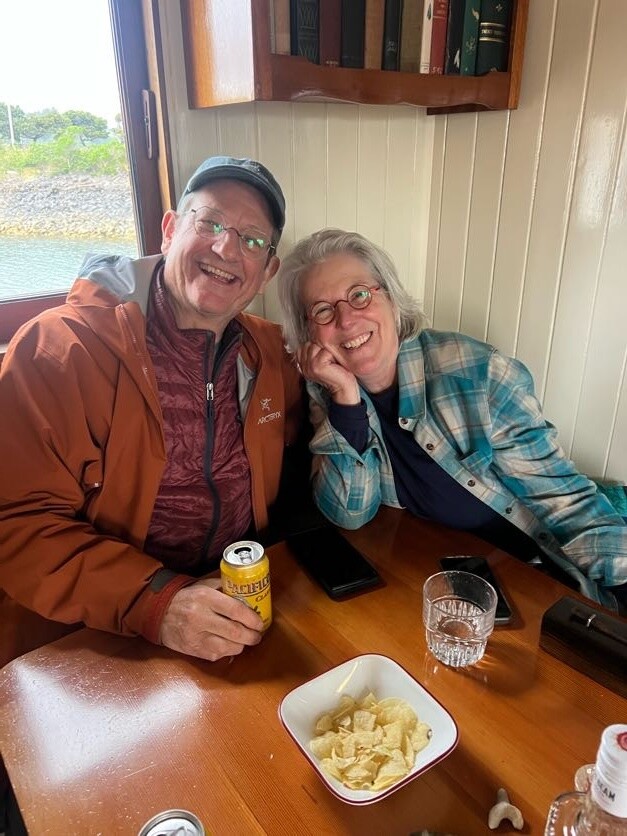
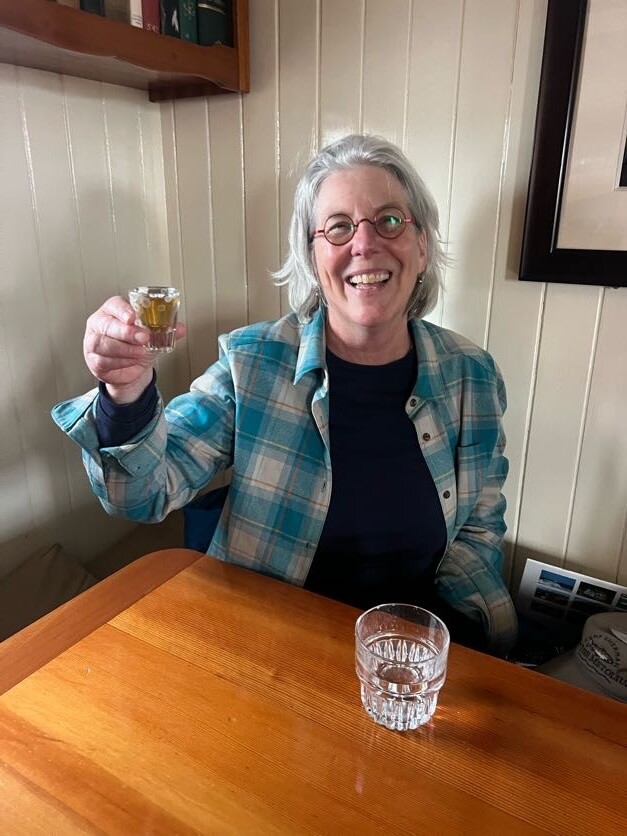

During our Pacific Northwest voyage, we had the joy of celebrating a very special birthday aboard the Western Flyer. Caroline Petrich, who was celebrating her 65th birthday, brought us a unique gift: a small “clay baby” from the beaches of Fox Island, Washington.
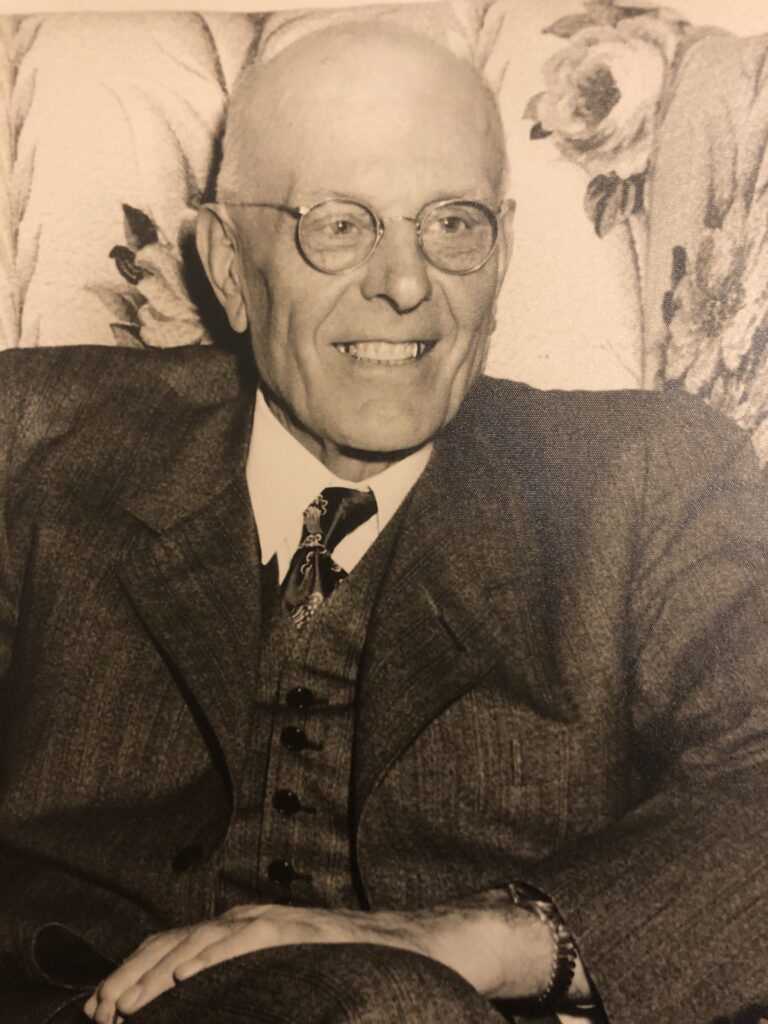
Caroline is a granddaughter of Martin (“MA”) Petrich Sr. and Mary Ellen Petrich, whose family founded Western Boat Building Company and built the Western Flyer in Tacoma in 1937. Caroline previously shared a beautiful reflection on MA, which you can read at this link.
The clay baby now has a special place aboard the Western Flyer—not just as a connection to the Petrich family, but to the waters, communities, and traditions that gave birth to this vessel.
When I asked Caroline to tell me more about the clay baby and why it was meaningful to her, she shared this story:
Here is a long story about clay babies from the Tacoma News Tribune: https://www.thenewstribune.com/news/local/article291878665.html
They are special to the Petrich family because three of the five sons of MA had beach cabins right next door to each other on Fox Island where clay babies are found. In fact, the ‘family compound’ was just down the beach from the local park featured in the story. I would not be surprised if many of my cousins have a clay baby or two with them to this day. We have several around our house!
I offered a clay baby to the Flyer for two reasons. First, it really represents the descendants of MA and his wife Mary Ellen, so it’s an homage to them and their generation, the shipbuilders and fishermen and tradesmen and their families who dreamed of what wonders the future would bring.
Secondly, the clay baby represents the Puget Sound around Tacoma and Gig Harbor, the birthplace of Western Boat and the Flyer. Woven into this is the Native American connection. Fox Island was an important site for the Puyallup and Nisqually tribes. As the article says (and I remember hearing this story as a child):
“Other legends shared by the Fox Island Historical Society describe a Native American girl who, after rejecting marriage proposals from young men far and wide, noticed a strange man appear one day as she walked along the beach.
Over time the two courted, but he would disappear into the water as mysteriously as he came every morning. The young woman told her parents of the strange event, who became alarmed, concerned this was the son of the ‘Old Man of the Sea.’
Her parents were worried they would offend the ‘Old Man of the Sea’ by refusing to allow their daughter to marry him, and as a result, feared he would dry up the springs on the island until his son’s suit was granted, the legend goes. As if by magic, the water in the springs soon disappeared, the grass became brown and the crops dried up.
When the woman’s parents gave their consent for his marriage proposal, the springs returned to normal. One day the man came for his wife and taking her hand, they stepped into the sea and disappeared below the surface.
Three times the daughter returned to visit her parents, but on the fourth visit there was kelp growing on her face. She was changing to become more of a sea creature. Saddened to see their daughter’s transformation, the girl’s parents told her it would be better if she did not return again, and she left them forever to live with her husband below the ocean, the legend goes. Now when she becomes lonesome, she returns to her old playground and makes odd shapes that visitors find in the clay and sand.”
Today, Caroline’s clay baby rests aboard the Western Flyer as a small reminder of the many hands, families, and stories that made this vessel what she is.
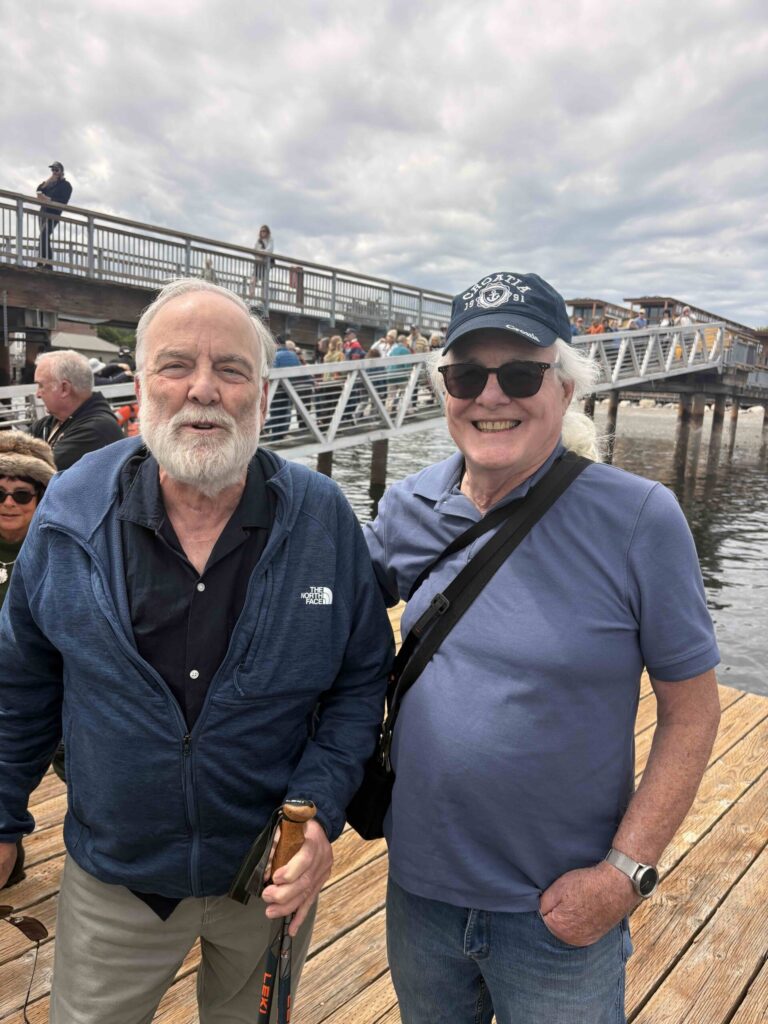
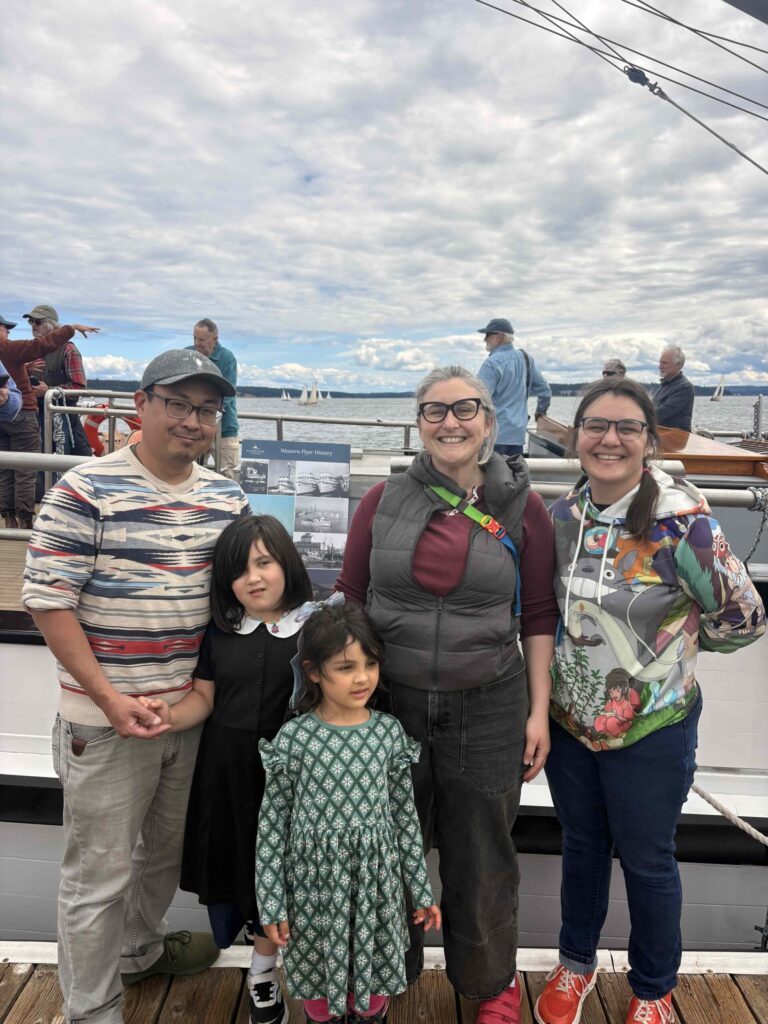
Our time in Port Townsend brought even more special moments, as we welcomed additional members of the Petrich family aboard the Flyer. Nearly 90 years after MA, Mary Ellen, and their family helped bring the Western Flyer into the world, their descendants walked her decks once again—a moment that bridged nearly nine decades of history and brought the Flyer’s past into the present.