By Sherry Flumerfelt, Executive Director
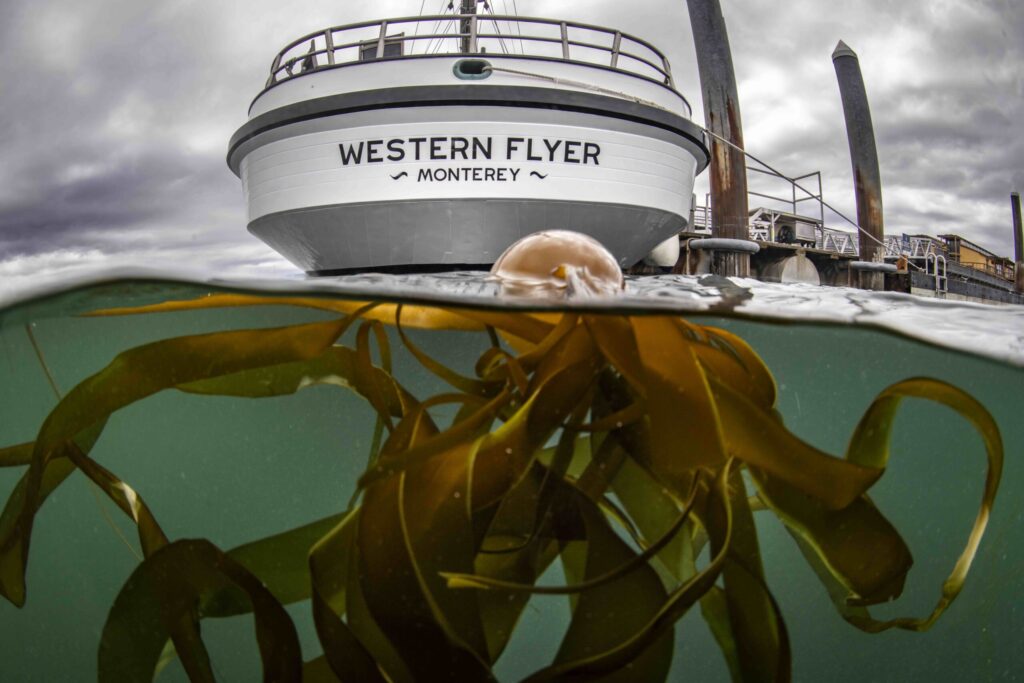
This spring, we completed our second major expedition aboard the restored Western Flyer.
Over nine weeks, we traveled from Monterey Bay to Oregon and Washington, bringing student programs, research, community events, and public tours to coastal communities along the way.
This was a pilot. We set out to answer four important questions: How would the Western Flyer handle the demands of the Pacific Northwest? Would communities be interested? Could our programs have a meaningful impact? And could we fund it?
Now that the Flyer is home, we have some answers.
How would the Western Flyer handle the demands of the Pacific Northwest?
Very well, with some good planning and a little luck.
We knew weather and sea conditions could disrupt our schedule, so we built contingency days between ports. But with programs and events planned months in advance, we never knew how much extra time we might need.
In the end, despite some rough days at sea, we had to cancel just one planned student cruise—and that was because of the tides. The students still participated in a docked program.
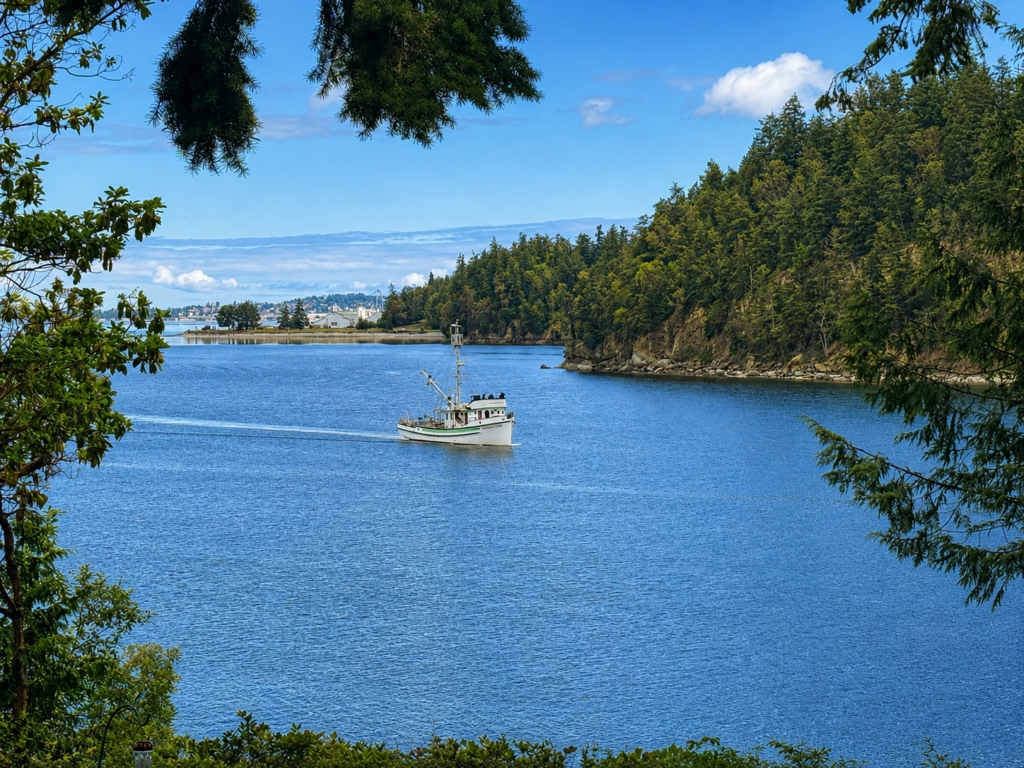
Over nine weeks and thousands of miles, the Western Flyer and its crew, led by Captain Paul, traveled north to the Salish Sea and safely home again.
Would communities be interested?
The answer was an emphatic yes.
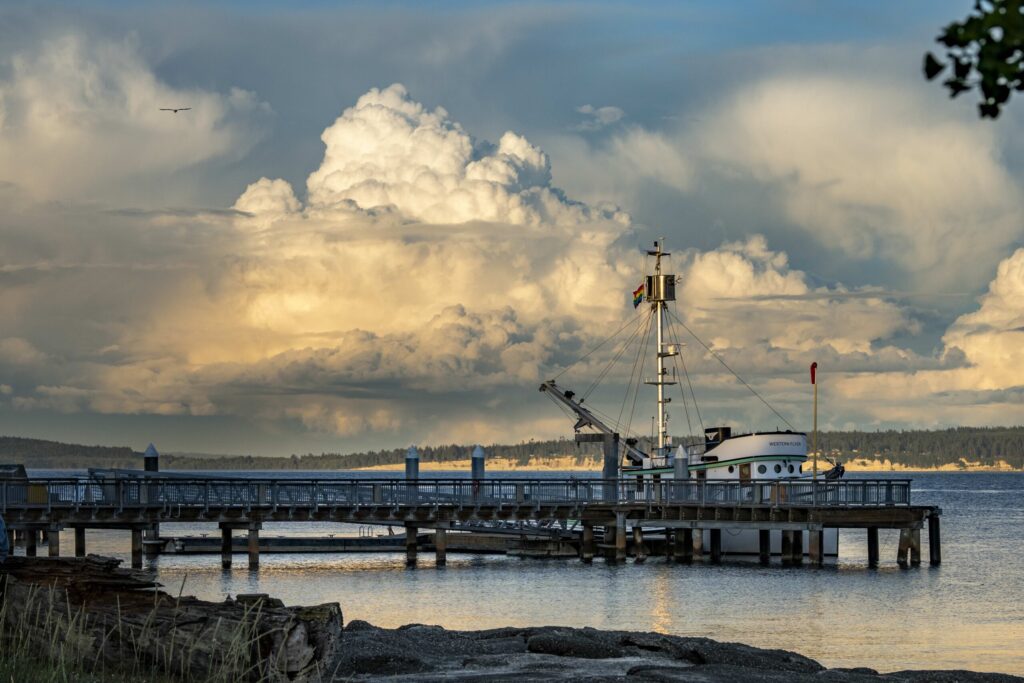
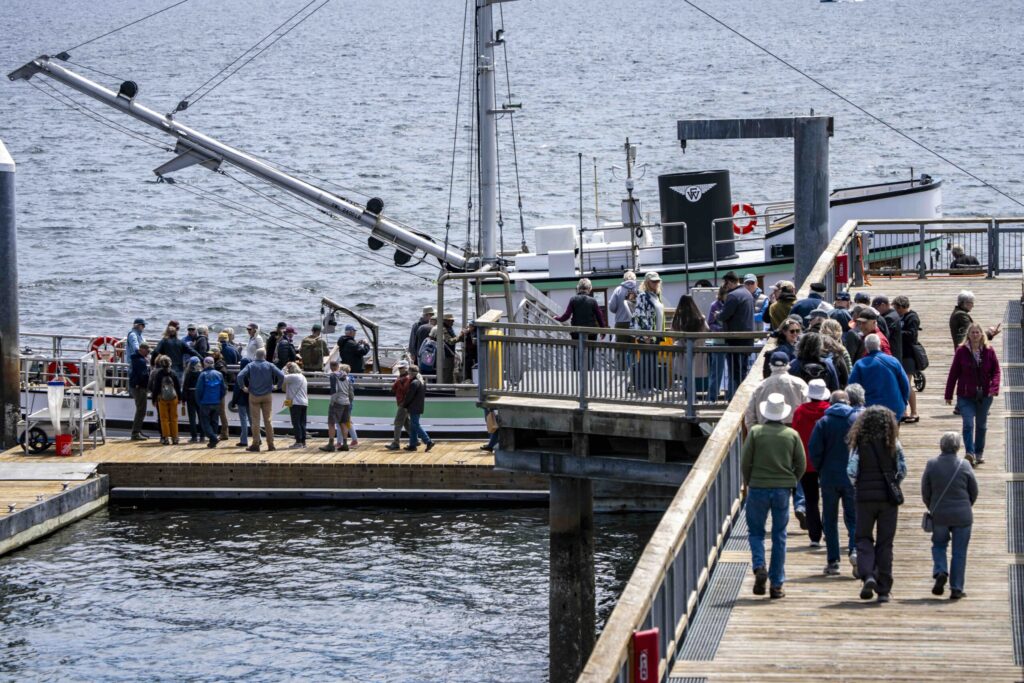
Close to 2,500 people joined us for community events with vessel tours, film screenings, and presentations. At times, people waited in line for an hour to step aboard. Some were excited to see the famously restored vessel. Others had read The Log from the Sea of Cortez decades ago and could hardly believe they were standing aboard the actual boat.
One visitor described the Western Flyer as “a connection point.”
I keep coming back to that.
The Flyer connects history with the present. Science with art. Students with working scientists and mariners. The U.S. with Mexico. People with different backgrounds, experiences, and perspectives. As a traveling platform for ocean science and education, it creates a rare space where people connect through story, place, science, and the sea.
Did our programs have an impact?
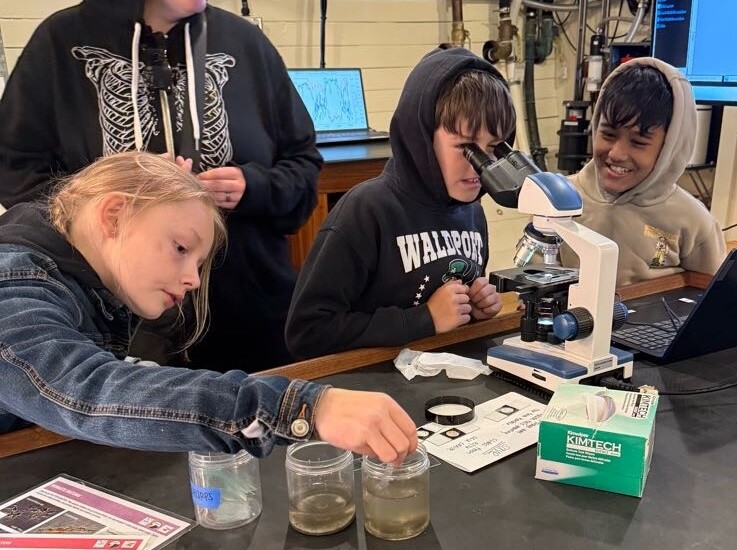
More than 450 students participated in 25 programs during the expedition. They deployed scientific instruments, examined plankton under microscopes, learned alongside scientists, educators, and mariners, and explored the stories of Steinbeck, Ricketts, and the Western Flyer.
Our partners saw the impact firsthand:
“I deeply appreciate the partnership. The educators and students who came on board were truly impacted. Thank you so much, and I hope for a continued partnership.”—Kama Almasi, PhD, Director, Oregon Coast STEM Hub, Oregon Sea Grant/Oregon State University
One teacher shared this about a student’s experience aboard the Western Flyer:
“One of my students in particular doesn’t really have much interest in learning new things. However, he was more engaged that day than I have ever noticed in the two years that I have had him!”
Sometimes, one day can open a door.
Could we fund it?
Partially.
Not all of the funding we had hoped for came through, so we adjusted. We shortened the expedition and pared back some of our original plans. We were sorry not to make it to some of the communities we had hoped to visit, including Astoria and Tacoma, but hope to reach them on a future expedition.
In the end, we raised more than $76,000, with more than half coming from individual donors. We are deeply grateful to everyone who contributed. Their generosity made the expedition possible and covered its direct out-of-pocket costs. However, those funds covered only a small portion of the substantial staff time required to plan, coordinate, and carry it out. Most staff costs were covered by our general operating funds.
The experience made clear that future expeditions will need a broader base of support. Taking the Western Flyer to other regions requires significant time and resources, and funding the full cost will take the combined support and partnership of individual donors, businesses, community organizations, foundations, and people in the regions we visit.
In two years, we hope to return to the Pacific Northwest and build on the relationships we formed, the programs we began, and the research we conducted during this expedition. With your support, we can continue using the Western Flyer to stir curiosity, advance science, and bring people together wherever she goes.